ORDERING IN BULK? EXPLORE TRADE SERVICES
ORDER BY 1PM FOR NEXT DAY SHIPPING
COLLECT MON – FRI: 08:30 – 16:00 (15:00 FRI)
FREE STANDARD SHIPPING OVER £150
ORDERING IN BULK? EXPLORE TRADE SERVICES
ORDER BY 1PM FOR NEXT DAY SHIPPING
COLLECT MON – FRI: 08:30 – 16:00 (15:00 FRI)
FREE STANDARD SHIPPING OVER £150
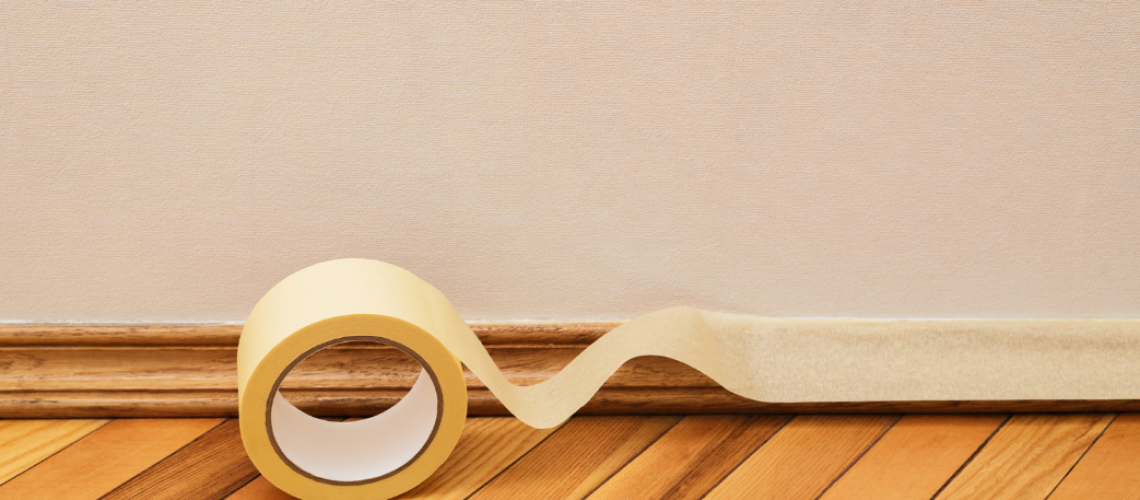
It is always tempting to buy one roll of tape in the hope that it will serve all purposes, from sealing packaging to creating straight lines in painting projects.
In fact, the world of tape is more sophisticated than you might expect, with different types for every purpose, including painting and decorating.
Read on to discover how using the right tape will give you the best results for your next painting job.
The key benefits of using masking tape on a paint job include:
Painter’s tape is used to mark out areas to be painted. The tape provides a sharp edge, allowing the painter to work with precision and create clean lines.
Tape can be used to mark out areas to be painted different colours. It will prevent the different colours from bleeding into one another, creating satisfyingly sharp lines.
Masking tape can be placed around the edge of carpets, windows, door frames, skirting boards and plug sockets to protect them from overpainting and paint spray.
Using masking tape will make you more confident with paint and speed up your work.
Masking tape has several design features that make it ideal for painting projects.
Good-quality masking tape can be left in place for up to 15 days without ripping or peeling.
Despite its durability, the low-tack glue on masking tape is specifically designed for clean removal when required, leaving no residue.
Masking tape will stick to various surfaces, including wood trim, window glass, floors, and wallpaper.
Masking tape can be used on delicate surfaces like wallpaper, fine rugs, carpets, hardwood floors and freshly painted surfaces because of its low-tack adhesive, which will not cause damage when removed but will still leave crisp lines.
It is worth taking extra care when applying tape, as the correct application will allow you to work to the highest standards.
Your surface should be clean, dry, and free of dust, dirt, and grit before you apply the tape to ensure perfect adhesion and prevent paint bleed.
Handling long strips of tape can be tricky, and you may end up with more tape sticking to yourself than the area to be masked. Short strips are also easier to remove.
The tape must be secured at the edges, so always run your finger along both edges to confirm it is firmly stuck down. Check the tape is smooth with no air bubbles, as these may cause the low-tack masking tape to lift away from the surface, creating gaps and the risk of paint bleed.
It may look neat if the ends of your tape strips are carefully matched, but overlapping the edges will make it much easier to find the end of the masking tape and pull the strip away.
Applying a layer of paint over the edge of the masking tape will create a tighter seal that resists paint bleed.
A painter’s tip is to remove masking tape by gently pulling at a 45-degree angle. If you pull the tape off too quickly, like a sticking plaster, you may ruin your hard work.
Professional painters remove the tape when the paint is still wet, as it comes away cleanly.
Blue painter’s tape and frog tape are both premium options that are designed for the painting industry and used by painters and decorators in the UK for professional results. Painter’s tape costs more than masking tape.
Masking tape should be suitable for all your interior home decorating needs.
We are big fans of packaging tape and stock a wide range of tapes for sealing and securing all sorts of packaging materials.
However, we can’t recommend using anything other than our masking tape for your painting projects. Packaging tapes have strong adhesives that could ruin your careful painting and potentially damage delicate surfaces.
Masking tape costs from £1 a roll, with a discount for buying in bulk. You can find more information about masking tape here.
We stock a huge range of 100+ different packaging materials. Explore them today…