ORDERING IN BULK? EXPLORE TRADE SERVICES
ORDER BY 1PM FOR NEXT DAY SHIPPING
COLLECT MON – FRI: 08:30 – 16:00 (15:00 FRI)
FREE STANDARD SHIPPING OVER £150
ORDERING IN BULK? EXPLORE TRADE SERVICES
ORDER BY 1PM FOR NEXT DAY SHIPPING
COLLECT MON – FRI: 08:30 – 16:00 (15:00 FRI)
FREE STANDARD SHIPPING OVER £150
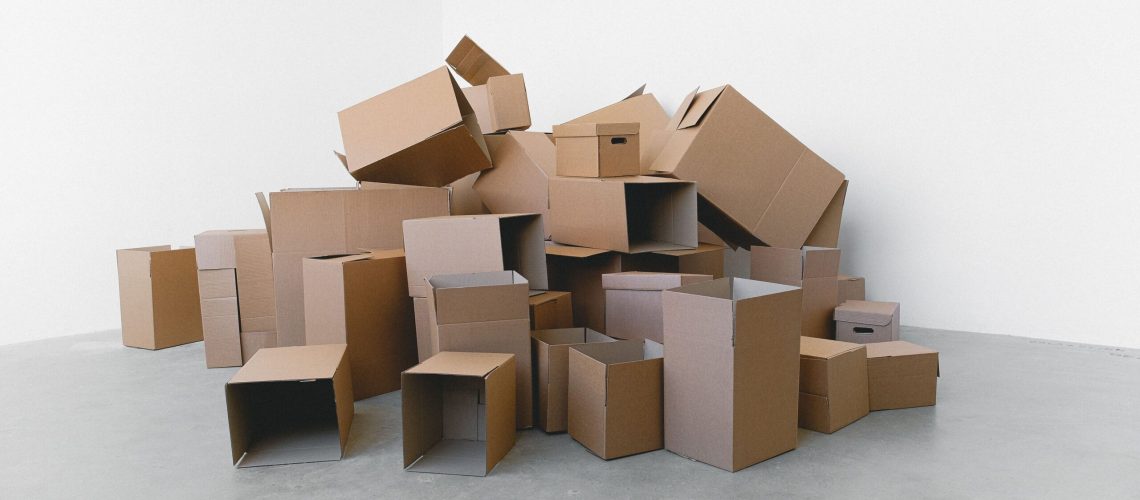
Cardboard boxes are the most widely used type of packaging.
From postal deliveries to storage for businesses and homes, cardboard boxes are used to protect contents and make handling easier.
From corrugated cardboard boxes to simple cardboard food packaging, the world’s favourite packaging creates a great deal of cardboard waste.
So what happens to cardboard boxes once they are no longer required or have become too damaged to use?
Read on to discover more about how cardboard boxes decompose and how the decomposition process can be speeded up.
Plain brown cardboard is a simple product made from natural materials. It is created by sticking thin layers of paper together with starch-based adhesive.
Cardboard for boxes and packaging is often created with a mixture of recycled and virgin wood fibres.
Corrugated cardboard is often used in cardboard boxes.
It is made from the same raw materials but contains three layers of paper fibres with a ruffled paper layer between them.
These multiple layers make corrugated cardboard boxes more water-resistant and provide greater protection for their contents without adding significant weight.
Because cardboard boxes are made from entirely organic materials, they decompose easily.
Microorganisms such as bacteria and fungi colonise waste cardboard, digesting the cellulose fibres and turning them into simple sugars, carbon dioxide and water.
Plain, untreated cardboard boxes will break down quickly over a few weeks.
Average-sized corrugated cardboard boxes start to degrade within a couple of months and could decompose completely within six months.
However, these time frames relate to optimal conditions, and the length of the decomposition process of this ubiquitous material can be affected by environmental conditions.
The ideal conditions for the decomposition process include the following;
Unfortunately, a great deal of cardboard ends its useful life in a landfill where the decomposition rate is significantly slower.
The landfill contains a thick layer of compacted materials that doesn’t allow water penetration, prevents contact with soil life, and limits oxygen, slowing microbial activity.
Paper products like cardboard boxes can take years to decompose completely in landfill sites.
Shredded untreated cardboard boxes can be mixed with grass clippings and other organic matter, including food waste, in your compost pile to produce nutrient-rich compost.
Sheet mulching, laying large sheets of cardboard on the soil, provides mulch for existing seeds while providing a thick layer that weeds cannot penetrate.
Many gardeners use cardboard mulches in their vegetable garden or raised beds.
We offer a range of cardboard boxes, including:
Single-wall cardboard boxes for your everyday transportation needs
Double-wall cardboard boxes are ideal for fragile or heavier items that require more robust protection.
You can find our full range of cardboard boxes here.
We stock a huge range of 100+ different packaging materials. Explore them today…