ORDERING IN BULK? EXPLORE TRADE SERVICES
ORDER BY 1PM FOR NEXT DAY SHIPPING
COLLECT MON – FRI: 08:30 – 16:00 (15:00 FRI)
FREE STANDARD SHIPPING OVER £150
ORDERING IN BULK? EXPLORE TRADE SERVICES
ORDER BY 1PM FOR NEXT DAY SHIPPING
COLLECT MON – FRI: 08:30 – 16:00 (15:00 FRI)
FREE STANDARD SHIPPING OVER £150
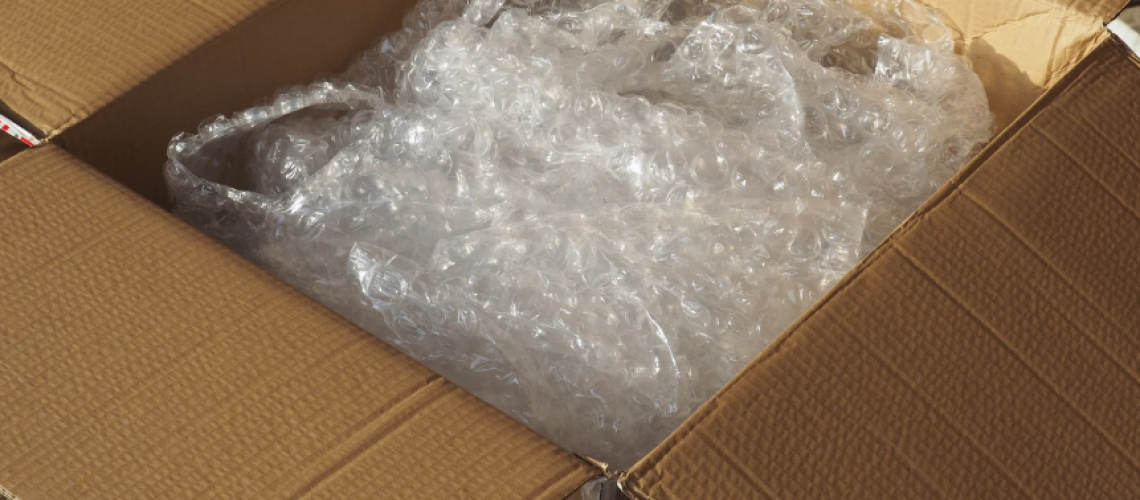
Bubble wrap is a light, versatile packaging material that is particularly useful for protecting items from damage during transit.
Despite its versatility, many consumers are unsure whether bubble wrap is recyclable in the UK and are concerned that it will end up in landfill.
Bubble wrap is recyclable because it is made from low-density polyethene (LDPE). However, it usually cannot go in household recycling bins. Instead, it should be recycled through supermarket soft-plastic collection points or specialist recycling facilities.
Read on to find out more about how to recycle bubble wrap safely.
Bubble wrap is made of low-density polyethylene, also known as LDPE.
LDPE is ideal for packaging materials as it is light, flexible, durable, and an effective moisture barrier. Plastic carrier bags, cling film and other soft plastic packaging films are also made from LDPE.
The bubble wrap-making process involves heating LDPE, then stretching and rolling it into a large sheet of film. The plastic film is pierced, and a vacuum creates bubbles that fill the holes with air.
The strength and flexibility of the plastic are retained during this process, and the bubbles add the unique cushioning properties that can protect fragile items in transit.
Bubble wrap is not difficult to recycle, but requires a specialised process.
Many local councils collect only rigid plastic items such as takeaway trays, plastic bottles, and tubs used for yoghurt, butter, or similar products. This is because the recycling facilities most local authorities use are only equipped to handle rigid, easy-to-shred plastic.
Soft plastic films like bubble wrap cannot be treated the same way as hard plastics, as they stretch rather than break, which can cause blockages and damage recycling machinery.
The LDPE plastic recycling process has four stages:
Our bubble wrap has a grey tinge because it contains over 30% recycled LDPE.
It is essential to recycle and repurpose bubble wrap and plastic bags correctly.
If soft plastic is left in a landfill, it could take hundreds of years to decompose and may leak chemicals into the environment.
LDPE may degrade over time into highly polluting microplastics. Bubble wrap is sometimes mistaken for food by animals, leading to injury or even death.
Although you can’t dispose of your unwanted bubble wrap in your normal recycling bin, there are other ways in which you can dispose of it responsibly.
Many large supermarkets, including Tesco and Sainsbury’s superstores, have soft plastic recycling bins for plastic carrier bags and bubble wrap can also be placed in these.
Most local councils run recycling centres for items that are too large to fit in wheelie bins or are inappropriate, such as bubble wrap.
You can find bubble wrap recycling centres near you by putting your postcode into an online recycling facility locator.
Large quantities of bubble wrap are used commercially. Businesses can employ specialist recycling companies to remove and recycle their soft plastic waste.
Bubble wrap is so durable that it can be reused many times.
Ideas for reusing bubble wrap include
In fact, bubble wrap is so indispensable that it makes sense to keep some on hand at all times.
Other, more sustainable packaging materials are available, including
These products use recycled or biodegradable materials without plastic or tape but still offer protection for precious goods in transit.
You can read more about our eco-friendly packaging here.
Yes, it is. Bubble wrap is made from LDPE, which requires processing at specialist recycling facilities.
Most local council waste disposal services do not collect LDPE soft plastic because they cannot recycle it.
Plastic bags and bubble wrap are made from LDPE and can therefore be recycled together. Many supermarkets have plastic bag collection points, which can also be used for bubble wrap.
Bubble wrap is made from petroleum-based plastic and will not degrade.
We stock a huge range of 100+ different packaging materials. Explore them today…